![Servecorp Corporate Services (M) Sdn Bhd [202301020747 (1514669-X)]](https://www.servecorp.com.my/image/catalog/servecorp_logo.png "Servecorp Corporate Services (M) Sdn Bhd [202301020747 (1514669-X)]")
![Servecorp Corporate Services (M) Sdn Bhd [202301020747 (1514669-X)]](https://www.servecorp.com.my/image/catalog/servecorp_logo_mobile.jpg "Servecorp Corporate Services (M) Sdn Bhd [202301020747 (1514669-X)]")
Common Payroll Mistakes Malaysian Employers Should Avoid
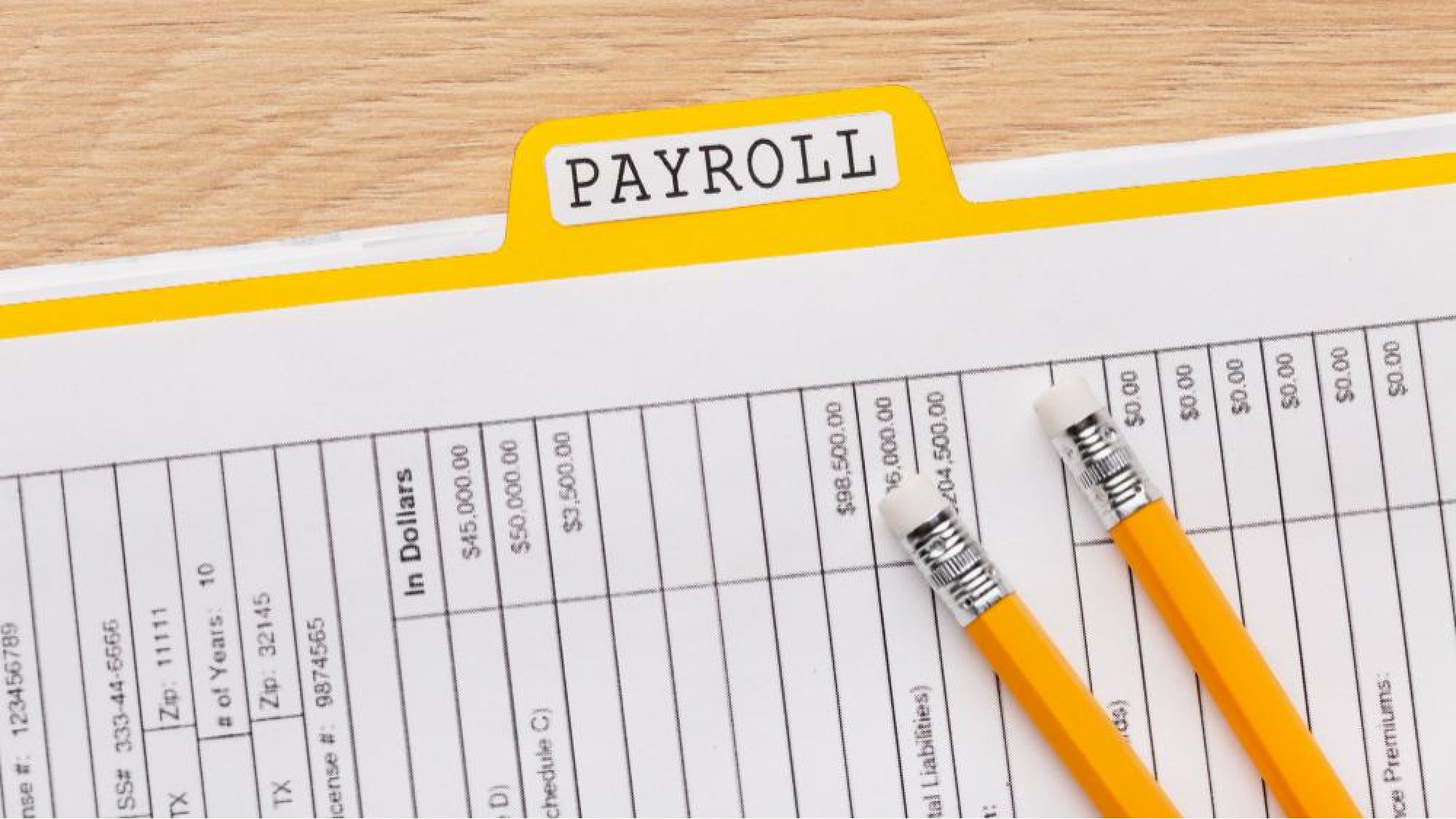
Payroll management in Malaysia involves strict compliance with statutory requirements such as the Employees Provident Fund (EPF), Social Security Organisation (SOCSO), Employment Insurance System (EIS), and Monthly Tax Deduction (PCB). These obligations are governed by specific laws and enforced by multiple authorities.
Recent regulatory updates between 2024 and 2026, including the increase in minimum wage to RM1,700, mandatory EPF contributions for foreign workers, and revisions to SOCSO wage ceilings, have made payroll processing more complex.
For businesses relying on payroll services in Penang or considering payroll outsourcing in Malaysia, understanding common payroll mistakes is essential to ensure compliance, avoid penalties, and maintain smooth operations.
Mistake 1: Incorrect Minimum Wage Calculation
What happens
Employers may incorrectly include allowances or variable payments when calculating minimum wage.
Under the Minimum Wages Order 2024, the minimum wage in Malaysia is RM1,700 per month, as gazetted under P.U.(A) 376/2024 by the Ministry of Human Resources (KESUMA). This amount applies strictly to basic salary and excludes allowances, overtime, commissions, and benefits in kind.
Why this is a problem
Many employers assume that total earnings can be used to meet the minimum wage requirement. This leads to underpayment even when the total monthly income appears sufficient.
Example
An employee receives:
- Basic salary: RM1,500
- Transport allowance: RM200
This does not meet the RM1,700 minimum wage requirement.
Impact
- Non-compliance with wage regulations
- Fines of up to RM10,000 per employee
- Requirement to pay wage arrears
Mistake 2: Failure to Implement EPF for Foreign Workers
What happens
Employers do not update payroll systems to include EPF contributions for foreign workers following regulatory changes.
Effective from October 2025 salaries, EPF contributions are mandatory for eligible foreign workers, following the EPF (Amendment) Act 2025 and official announcements by the Employees Provident Fund (KWSP).
Why this is a problem
Foreign workers and their employers must contribute 2% of monthly wages each under the new rule (different from standard rates for local employees). This applies only to eligible foreign workers. Failure to comply results in incorrect statutory contributions, backdated payments, and penalties.
Impact
- Backdated EPF contributions
- Late payment charges and penalties
- Increased scrutiny from regulatory authorities
For companies using payroll outsourcing Malaysia, these updates are typically implemented promptly, reducing the risk of errors.
Mistake 3: Applying Incorrect SOCSO and EIS Contributions
What happens
Employers must follow the updated SOCSO wage ceiling of RM6,000 for both Malaysian and foreign employees, as revised by the Social Security Organisation (PERKESO) effective 1 October 2024. Using outdated ceilings or incorrect methods results in underpayment or overpayment of contributions. Note: EIS eligibility may differ for foreign workers.
Why this is a problem
Using outdated ceilings or incorrect methods results in underpayment or overpayment of contributions.
Impact
- Inaccurate statutory submissions
- Compliance risks during audits
- Administrative effort to correct past errors
Mistake 4: Missing Statutory Submission Deadlines
What happens
Employers fail to submit EPF, SOCSO, EIS, or PCB contributions on time.
Why this is a problem
Most statutory contributions in Malaysia are due by the 15th of the following month, as required by KWSP, PERKESO, and the Inland Revenue Board of Malaysia (LHDN) submission guidelines. Missing deadlines triggers automatic penalties and interest charges.
Impact
- Financial penalties and interest
- Potential legal action for repeated non-compliance
- Negative impact on company reputation
Mistake 5: Misclassification of Employees
What happens
Employees are incorrectly classified as independent contractors or excluded from statutory contributions.
Why this is a problem
All eligible employees must be registered with EPF and SOCSO, in line with statutory obligations under KWSP and PERKESO regulations. Misclassification leads to unpaid contributions.
Impact
- Backdated payments
- Legal disputes
- Increased regulatory scrutiny
Mistake 6: Poor Payroll Record Keeping
What happens
Employers fail to maintain accurate payroll records, including payslips, contribution records, and employee details.
Why this is a problem
Proper documentation is required for audits, tax filings, and dispute resolution, as required under LHDN employer record-keeping guidelines.
Impact
- Difficulty during audits
- Increased compliance risk
- Potential penalties
Comparison: In-House Payroll vs Payroll Outsourcing Malaysia
| Factor | In-House Payroll | Payroll Outsourcing Malaysia |
|
Compliance Updates |
Manual tracking required |
Managed by professionals |
| Error Risk |
Higher |
Lower |
|
Cost Structure |
Variable |
More predictable |
| Expertise |
Limited |
Specialised knowledge |
|
Scalability |
Limited |
Easily scalable |
For many businesses, engaging bookkeeping and payroll services in Malaysia provides a structured approach to managing payroll while reducing compliance risks.
Consequences of Payroll Non-Compliance
Payroll mistakes can lead to significant consequences, including:
- Fines and penalties imposed by EPF, PERKESO, and LHDN
- Late payment charges and interest
- Backdated statutory contributions
- Legal action in severe cases
- Loss of employee trust and morale
Even small calculation errors can accumulate over time and result in substantial financial exposure.
Why Professional Payroll Services Matter
Managing payroll internally requires continuous monitoring of regulatory changes and precise execution of calculations and submissions.
Engaging payroll services Penang or opting for payroll outsourcing Malaysia helps businesses:
- Stay updated with regulatory changes
- Ensure accurate payroll processing
- Meet statutory deadlines consistently
- Reduce administrative workload
- Minimise compliance risks
Professional providers bring experience and systems that reduce the likelihood of errors and ensure adherence to Malaysian payroll regulations.
Frequently Asked Questions (FAQs)
What happens if my payroll calculations are wrong in Malaysia?
Incorrect payroll calculations can result in underpayment of salaries or statutory contributions such as EPF and SOCSO. Employers may be required to pay backdated amounts and could face fines or penalties. Regular payroll reviews are essential to ensure accuracy and compliance.
Can allowances be included in the RM1,700 minimum wage?
No. The RM1,700 minimum wage applies strictly to basic salary. Allowances such as transport, meal, or attendance allowances cannot be used to meet this requirement. Employers who include allowances may be considered non-compliant.
Do employers need to contribute EPF for foreign workers?
Yes. EPF contributions became mandatory for eligible foreign workers starting from October 2025 salaries. Both employer and employee must contribute 2 percent of monthly wages. Failure to comply may lead to penalties and backdated contributions.
What are the penalties for late payroll submissions in Malaysia?
Late submissions for EPF, SOCSO, EIS, or PCB can result in interest charges, fines, and potential legal action. For example, EPF late payments are subject to charges based on prescribed rates, and continued non-compliance may lead to prosecution.
Is payroll outsourcing Malaysia suitable for small businesses?
Payroll outsourcing Malaysia is often beneficial for small and medium businesses as it helps reduce administrative workload, improve accuracy, and ensure compliance with statutory requirements. It allows business owners to focus on core operations while minimising payroll risks.
Conclusion
Payroll compliance in Malaysia has become increasingly complex due to recent regulatory changes. Mistakes such as incorrect wage calculations, outdated contribution rates, and missed deadlines can lead to financial penalties and operational disruptions.
Businesses that take a proactive approach to payroll management, or engage payroll services Penang and payroll outsourcing Malaysia providers, are better positioned to maintain compliance and ensure efficient operations.
Need help with payroll compliance in Penang?
Servecorp provides expert payroll services Penang and payroll outsourcing Malaysia, covering statutory registration, monthly submissions, and compliance advisory. Contact us at www.servecorp.com.my.
Disclaimer: This article is for informational purposes only and reflects the law as understood in April 2026. Payroll regulations in Malaysia are subject to change. Always consult a qualified payroll professional or HR advisory firm for advice specific to your business.